
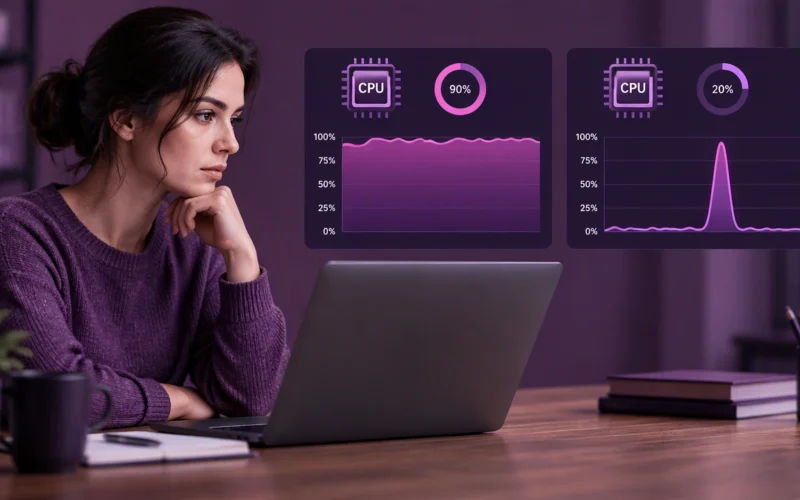
CPU Saturation vs CPU Spike: Why IT Systems Slow Down and How to See It
CPU spikes and sustained CPU saturation affect IT performance differently. Learn how to tell them apart and respond with the right tools and actions.
CPU spikes and sustained CPU saturation affect IT performance differently. Learn how to tell them apart and respond with the right tools and actions.

Learn to read flame graphs, find slow code paths, and turn sampling data into clear performance decisions.

Why garbage collection pauses cause latency spikes, how to spot them in metrics and traces, and how to reduce their impact on response times

Learn why IT systems slow down and how to measure performance using key metrics, bottlenecks, and monitoring basics for reliable operations.
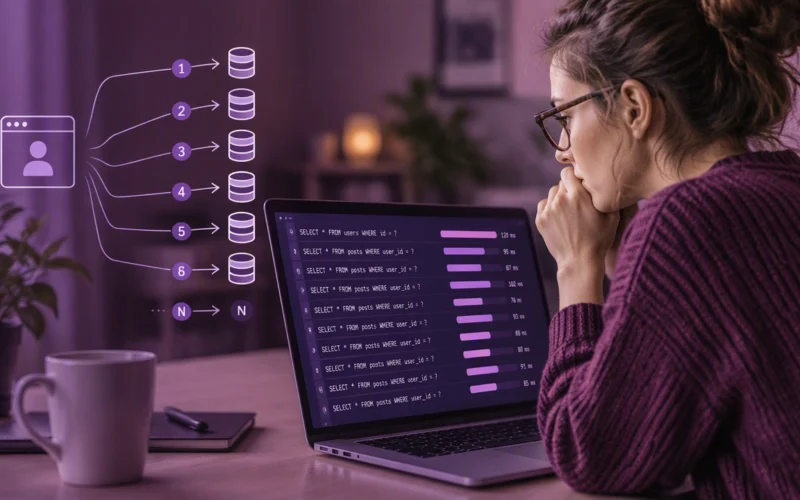
Learn how N+1 query patterns slow down web applications by creating repeated small queries and avoidable round trips, and how to detect them early.

Small network delays multiply across dependencies, quietly degrading IT performance. Learn how to see, measure, and reduce hidden latency costs.

Averages hide slow requests. Learn how to read latency percentiles instead of averages to spot bad experiences in IT systems.
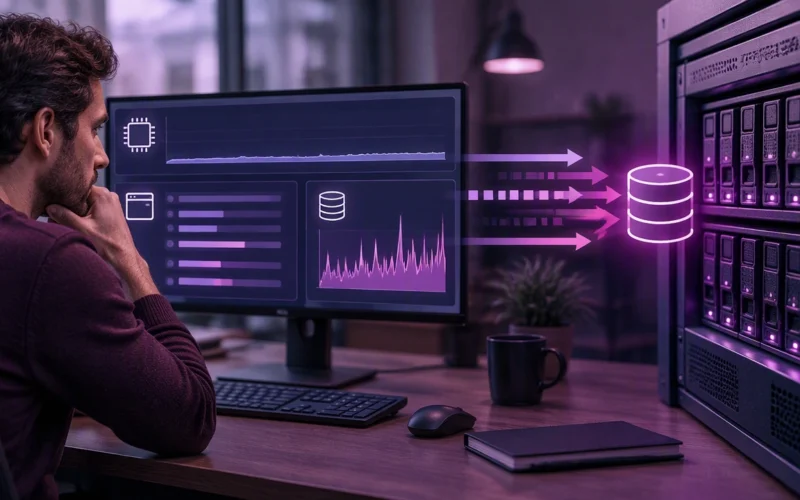
Applications can freeze while CPU usage looks normal. Storage queues build up, threads wait, and response times climb. Learn how to spot and fix it.

Peak-hour slowdowns often come from queueing and lock contention. Learn why databases get slow and how to spot lock waits early.

Good alert thresholds separate real urgency from noise, helping teams act fast on real slowdowns while ignoring misleading spikes.