

Why Databases Slow Down at Peak: Queueing, Lock Waits, and How to Spot Them
Peak-hour slowdowns often come from queueing and lock contention. Learn why databases get slow and how to spot lock waits early.

Delay Desk explains why IT systems slow down and how to see the evidence before users complain. We turn metrics, traces, and real incidents into clear lessons for teams at every level.
Each essay picks one part of school and shows how to work on it in a single sitting.

Peak-hour slowdowns often come from queueing and lock contention. Learn why databases get slow and how to spot lock waits early.

Good alert thresholds separate real urgency from noise, helping teams act fast on real slowdowns while ignoring misleading spikes.

Learn how to establish a performance baseline before tuning a system so IT teams can diagnose slowdowns with evidence instead of guesswork.

IT systems slow when caches serve stale data. Use this practical invalidation checklist to keep caches fast, consistent, and predictable.
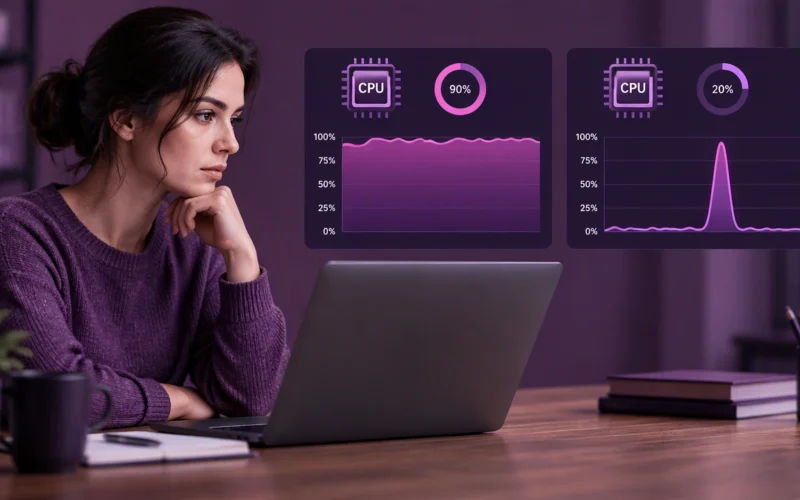
CPU spikes and sustained CPU saturation affect IT performance differently. Learn how to tell them apart and respond with the right tools and actions.

Learn to read flame graphs, find slow code paths, and turn sampling data into clear performance decisions.